
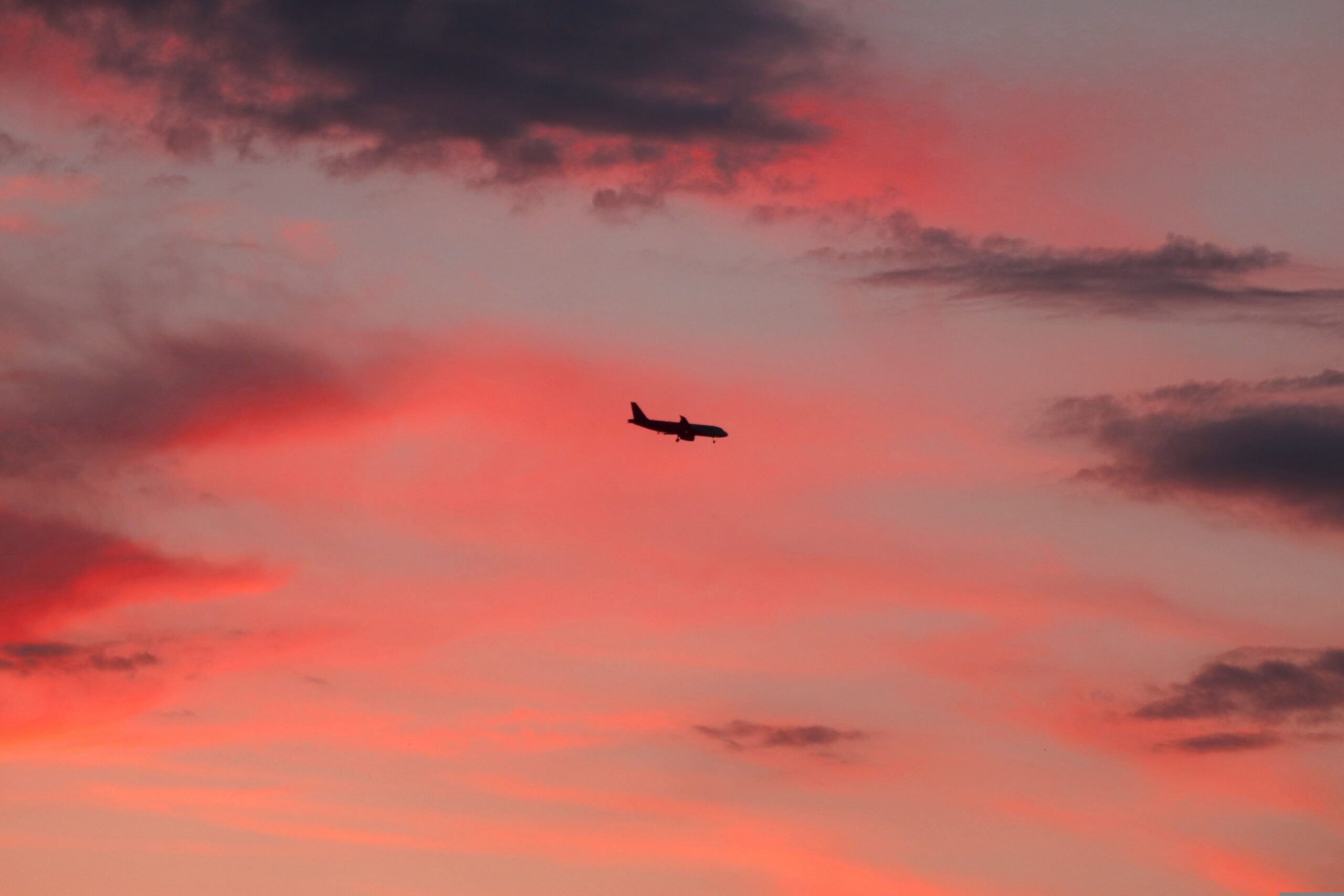
Above the clouds, freedom must be boundless – once penned and sung by Reinhard Mey. Unless drones are implied, freedom in the air is not what it used to be. The wars in Ukraine and the Middle East are threatening the global supply of kerosene. Russia, the world's second-largest oil exporter in 2024, has already banned the export of kerosene and is examining whether to permit western kerosene with slightly different properties – a success for Ukraine. In the Southern Hemisphere, serious shortages are threatened if the Strait of Hormuz remains impassable beyond the end of June. The situation in Europe is still comparatively relaxed because we import little kerosene from Middle Eastern oil.
So, wars had to break out before the fatal dependence of the aviation industry on fossil oil seeped into public consciousness – the already ongoing climate catastrophe apparently wasn't enough. Yet, not so long ago, it looked promising as if a biological alternative was on the horizon: algae kerosene! Around 2010, the oil company Shell heavily advertised it in an image campaign (I remember great, giant illuminated advertisements in a pedestrian underpass at Brussels Airport), EADS predicted a significant share of algae fuels in Sustainable Aviation Fuels (SAF) for 2030. Lufthansa successfully tested algae kerosene on 1,187 scheduled flights in 2011 – one engine was powered by fossil kerosene and the other by biofuels. Why did none of this come to fruition?
In short, the costs of the not-yet-mature biotechnology were too high, or conversely, the bubbling fossil oil was too cheap. Climate protection also wasn't a strong enough motivator. Viridos, the leading company in the USA for developing algal kerosene – founded and led by Craig Venter himself – filed for insolvency in 2025. And today: At least research consortia in the DACH region like ALFAFUELS, SusAlgaeFuel, or ALGAESOL are working on scaling up. The vision of sustainable SAFs based on microalgae is therefore still alive. Perhaps freedom in the skies will once again be boundless.
Photo: pixabay | birgl